Liquid Air Energy Storage Use Cases in the United States
Repowering Retired or Mothballed Peaker Plants
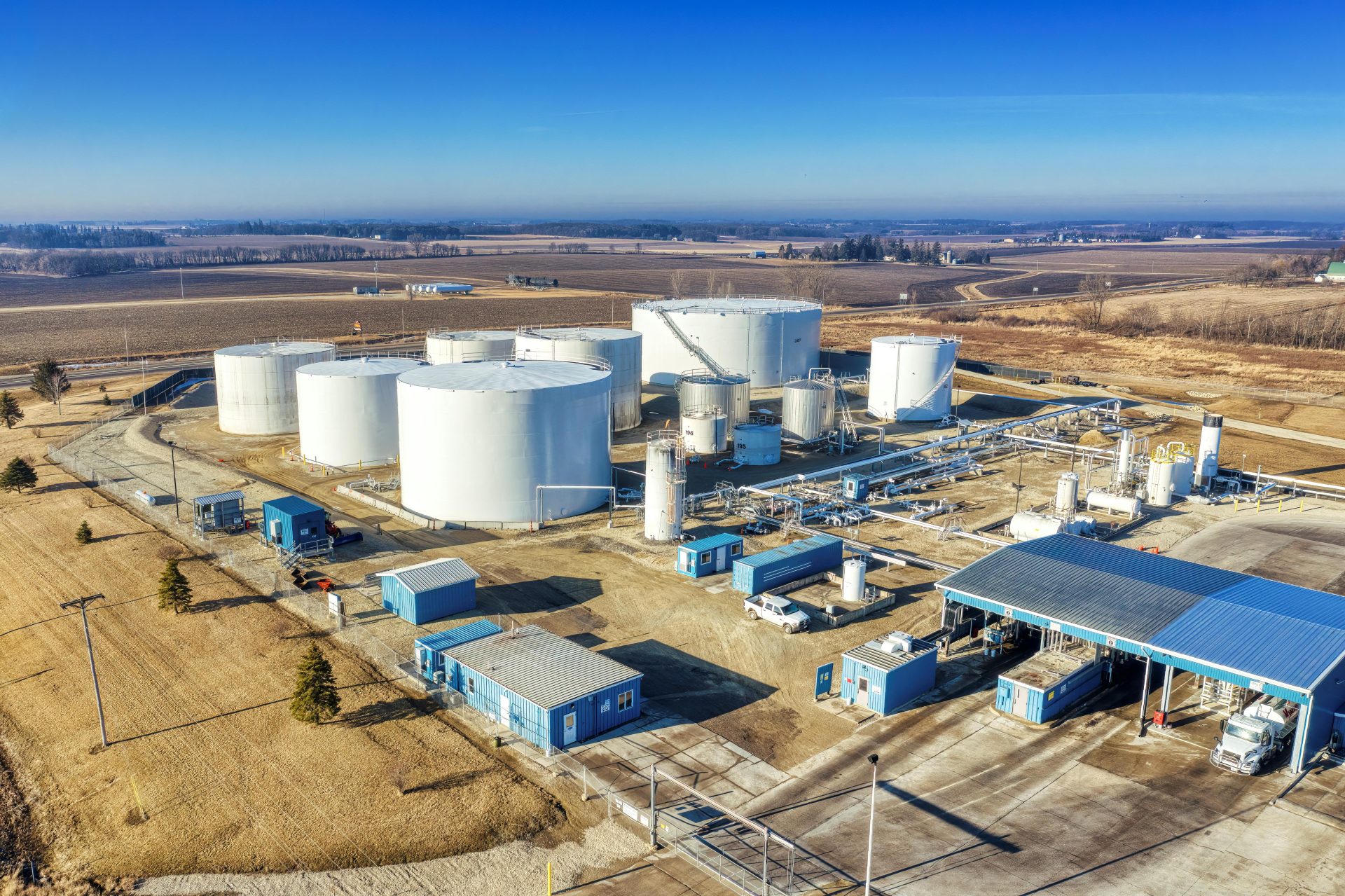
Across the United States, hundreds of peaker plants have been retired or are approaching decommissioning due to age, emissions regulations, and operational inefficiency. At the same time, electricity demand is projected to rise significantly as manufacturing returns to the U.S. and large‑scale data centers expand power consumption.
This creates a major challenge: the grid still requires dependable peak‑period generation, yet traditional peaker plants are costly, inefficient, and environmentally burdensome. CES liquid air energy storage provides a practical pathway to repower these facilities while preserving their strategic grid locations.
Renewable Overproduction and Curtailment Mitigation
For projects facing overgeneration or mandated curtailment, liquid air energy storage captures otherwise lost electricity and preserves contracted revenue streams.
Transforming Legacy Peaker Plants into Energy Storage Assets
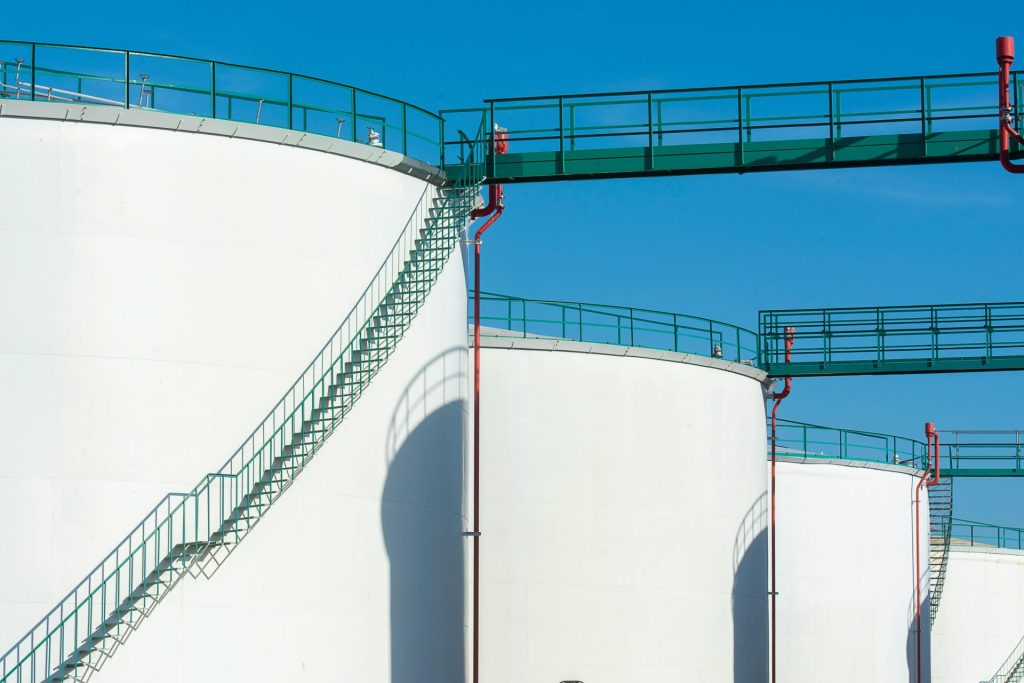
CES technology adapts proven cryogenic air‑separation processes into a patented liquid air energy storage platform capable of replacing fossil‑fuel peaker generation. Instead of combusting fuel during peak events, the system stores off‑peak electricity as liquid air and later converts it back into electricity using turbine expansion.
Read More
The integrated system performs three core functions:
- Liquefaction: Ambient air is compressed, purified, and cooled to cryogenic temperatures to produce liquid air.
- Storage: Liquid air is stored in insulated cryogenic tanks, creating a reservoir of dispatchable energy.
- Power generation: When electricity demand peaks, liquid air is pumped, vaporized, and expanded through a turbine generator to produce grid power.
This closed‑loop process allows utilities to deliver clean peak electricity without burning fossil fuels while maintaining the reliability required for grid stability.
Why Peaker Plant Repowering Is the Strategic Opportunity
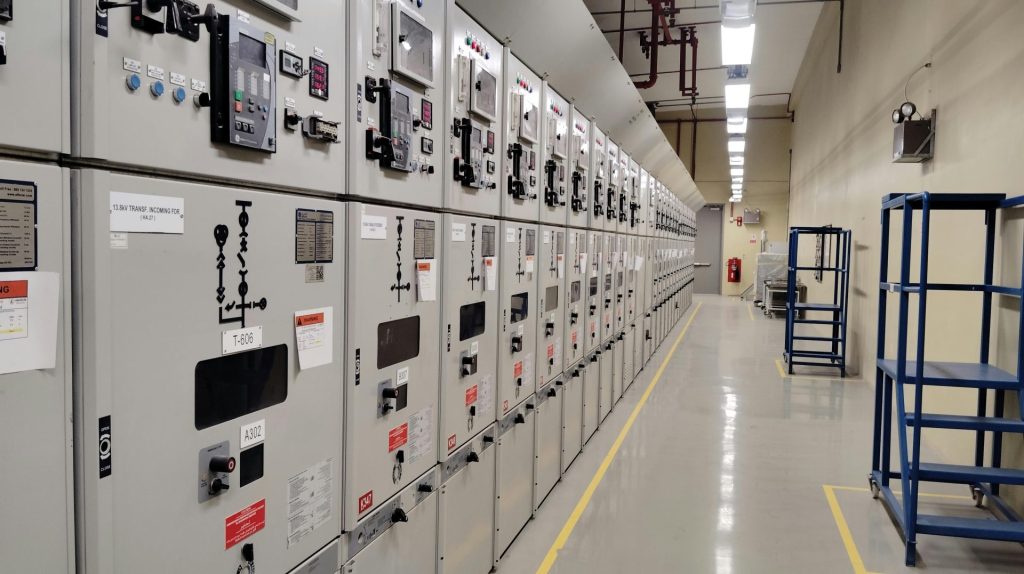
Many existing peaker plants are located in densely populated urban areas where new power infrastructure is difficult to site. These facilities already have valuable assets including grid interconnection, transmission access, and switchgear infrastructure.
CES liquid air energy storage systems are designed to integrate with these existing assets, significantly reducing development timelines while unlocking new economic value from sites that might otherwise remain idle.
Advantages Over Lithium‑Ion Battery Installations
While battery storage is often proposed for peak‑power applications, large lithium‑ion installations require significant land area and introduce safety and thermal‑management challenges. Liquid air energy storage offers a safer, more compact alternative for constrained urban sites where peaker plants are typically located.
Economic Model: Energy Arbitrage
A key driver of project economics is energy arbitrage. The CES system produces liquid air using low‑cost off‑peak electricity and then generates power during peak demand periods when market prices are higher. This approach allows repowered peaker plant sites to generate revenue while providing critical grid services.
By repowering retired or underutilized peaker plants with liquid air energy storage, CES enables utilities, developers, and infrastructure investors to modernize the nation’s peak power fleet with a cleaner, more efficient solution.
Discuss Your Use Case
Address
Cryogenic Equipment and Services Energy Storage
547 Hay Stack Dr, Zion Grove, PA 17985, USA
Contact
Tel.: +1 570-578-9304
Email: johndupper@cryogenic-equipment.net
© 2026 Cryogenic Equipment and Services Energy Storage | Legal Notice | Privacy Policy