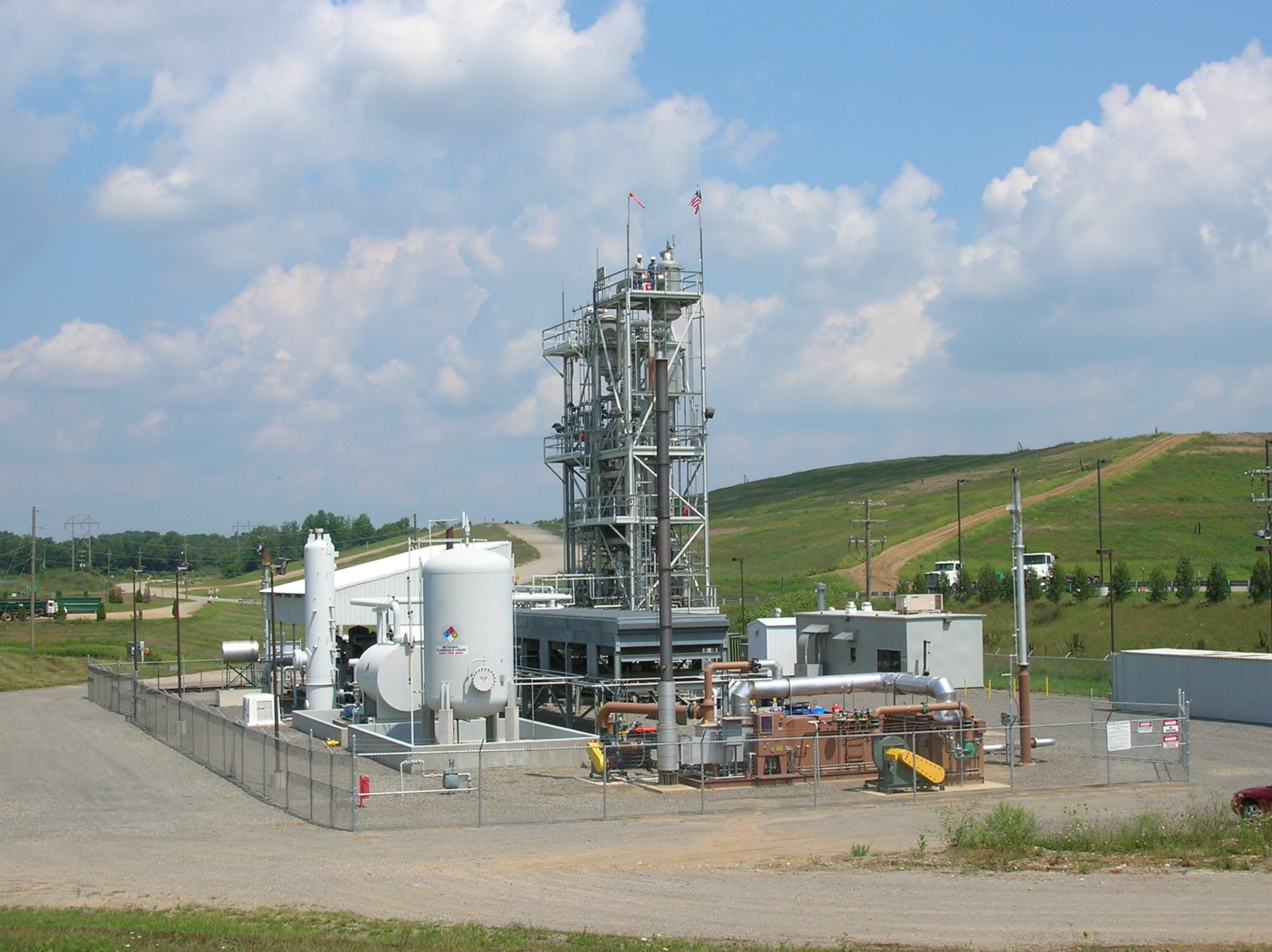
CES Liquid Air Energy Storage Repowering America’s Peaker Plant Fleet with Clean Dispatchable Power
Cryogenic Equipment Services (CES) has developed a high‑efficiency Liquid Air Energy Storage (LAES) system engineered specifically to repower aging and decommissioned peaker plants across the United States. Instead of relying on fossil‑fuel combustion during periods of peak electricity demand, CES technology stores off‑peak electricity as liquid air and converts it back into power when the grid needs it most.
Built on proven cryogenic air‑separation technology and supported by patented system innovations, the CES LAES platform provides storage developers and grid infrastructure with a scalable, long‑duration energy storage solution capable of delivering reliable peak power while significantly reducing emissions and operating costs.
As electricity demand grows due to industrial expansion, electrification, and data center development, modernizing the nation’s peaker plant fleet has become a critical priority. CES enables existing peaker plant sites to be transformed into advanced energy storage facilities while preserving valuable grid infrastructure and transmission access.
Our Process
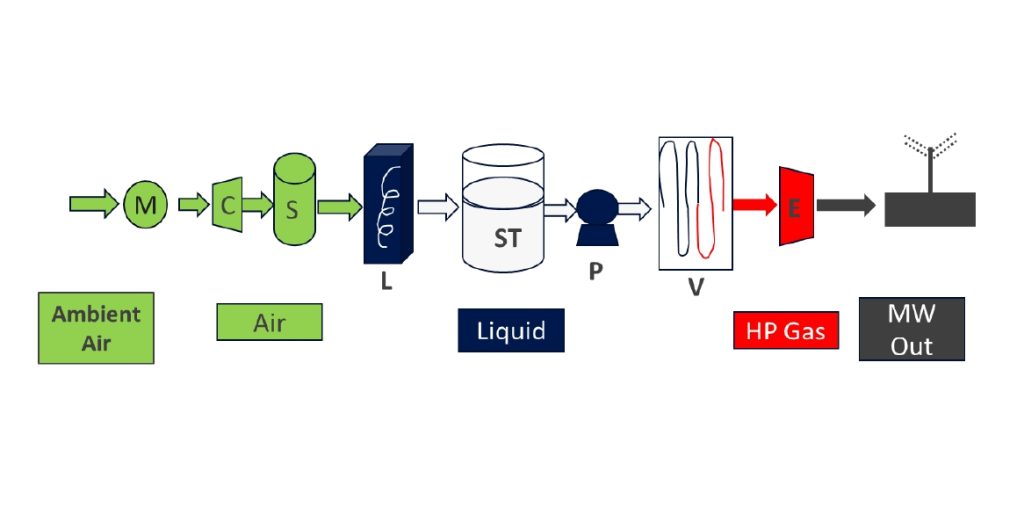
Key
M – Motor (uses off-peak electricity to support compressor)
C – Compressor (produces compressed air to the molecular sieve)
S – Molecular Sieve(separates CO2 and moisture)
L – Liquifier (-300 F employes cryogenic technology to form liquid air)
ST – Storage Tank (provides reservoir of liquid air for economic dispatch)
P – Liquid Air Pump (transfers liquid air to vaporizer)
V – Vaporizer (produces high-pressure compressed air to the expander/generator)
E – Electricity Generator (employs conventional turbine technology to produce)
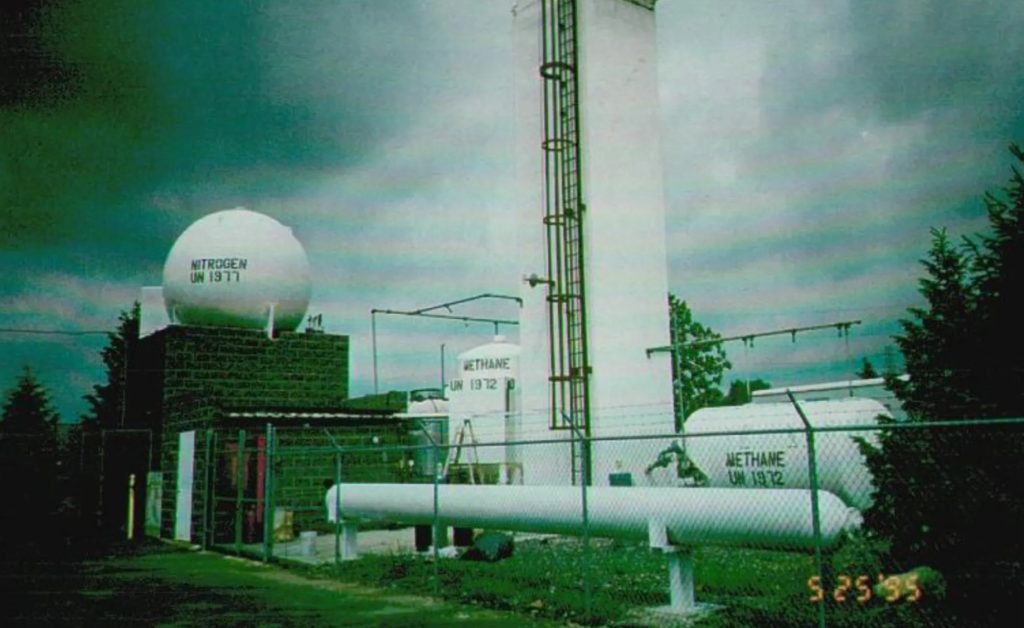
The Opportunity: Repowering the U.S. Peaker Plant Fleet
Read More
- CES Liquid Air Energy Storage (LAES) provides a direct route to modernize the 1,100+ aging U.S. peaker plants by repowering existing infrastructure with clean, zero-emission technology. By utilizing existing grid interconnections and switchgear, the CES LAES system transforms legacy fossil-fuel assets into facilities that are four times more efficient than the old, inefficient units they replace.
- CES liquid air energy storage provides a clear pathway to updating these assets by repowering existing peaker plant infrastructure with clean energy storage technology.
- Instead of burning fuel, CES systems use low‑cost off‑peak electricity to produce liquid air, store it in cryogenic tanks, and then expand it through turbine generators to produce electricity when demand and energy prices are highest.
- This approach allows storage developers and infrastructure investors to transform legacy peaker plants into revenue‑generating energy storage facilities while maintaining grid reliability.
Key Advantages of CES Liquid Air Energy Storage
The CES liquid air energy storage model recognizes value from:
- High‑Efficiency Energy Storage – Approximately 85% round‑trip efficiency using integrated thermal energy recovery.
- Scalable System Design – Modular systems ranging from roughly 5 MW to 50+ MW, depending on site requirements.
- Infrastructure Reuse – Designed to integrate with existing peaker plant switchgear and grid interconnections.
- Compact Urban Deployment – Safer and more space‑efficient than large lithium‑ion battery installations.
- Proven Industrial Technology – Built on established cryogenic and turbine technologies widely used in industrial gas processing.
Key Safety Considerations & Hazards
- Thermal Runaway: The primary risk, where overcharging, physical damage, or overheating triggers a chain reaction, causing catastrophic fire and explosions.
- Toxic Gas Release: Damaged or burning batteries can release hazardous vapors like hydrogen fluoride.
- Reigniting Risks: Lithium-ion fires are difficult to extinguish and may spontaneously reignite hours or days later.
- Broader Context: Beyond dedicated storage facilities, over 25,000 incidents of fire or overheating in lithium-ion batteries occurred over a recent five-year period, largely driven by consumer devices, according to the U.S. Consumer Product Safety Commission.
- Impact: These fires are particularly difficult to extinguish, with incidents such as the July 2023 New York solar farm fire taking four days to put out. TÜV SÜD +4
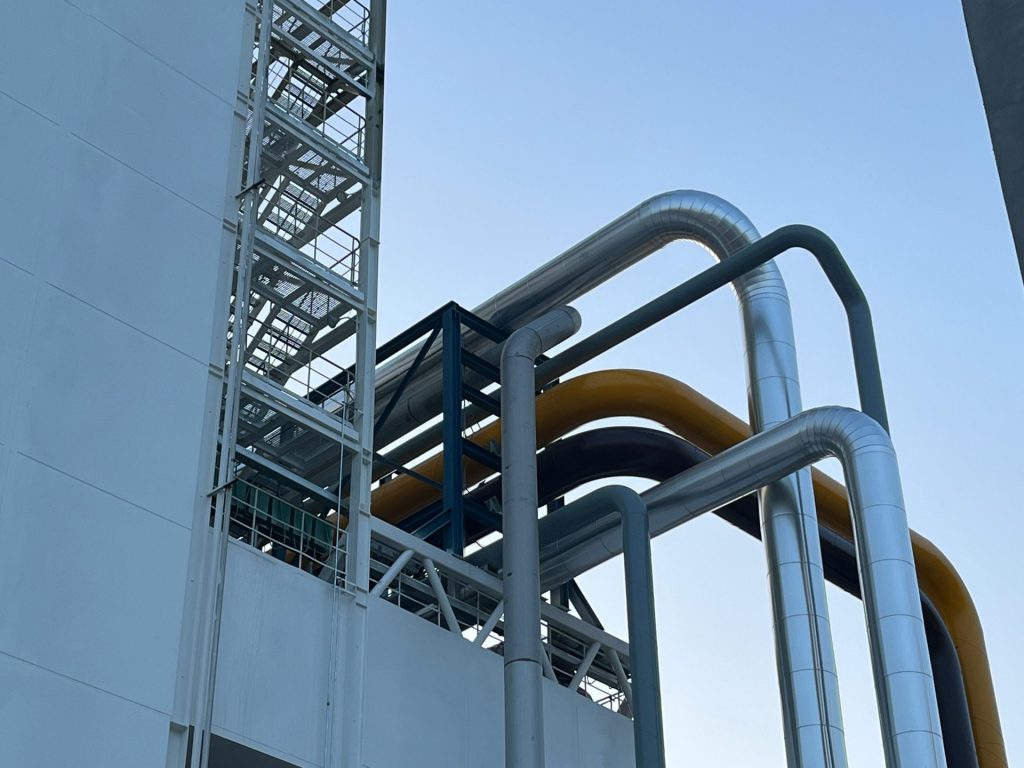
A Smarter Alternative to Fossil‑Fuel Peaker Plants
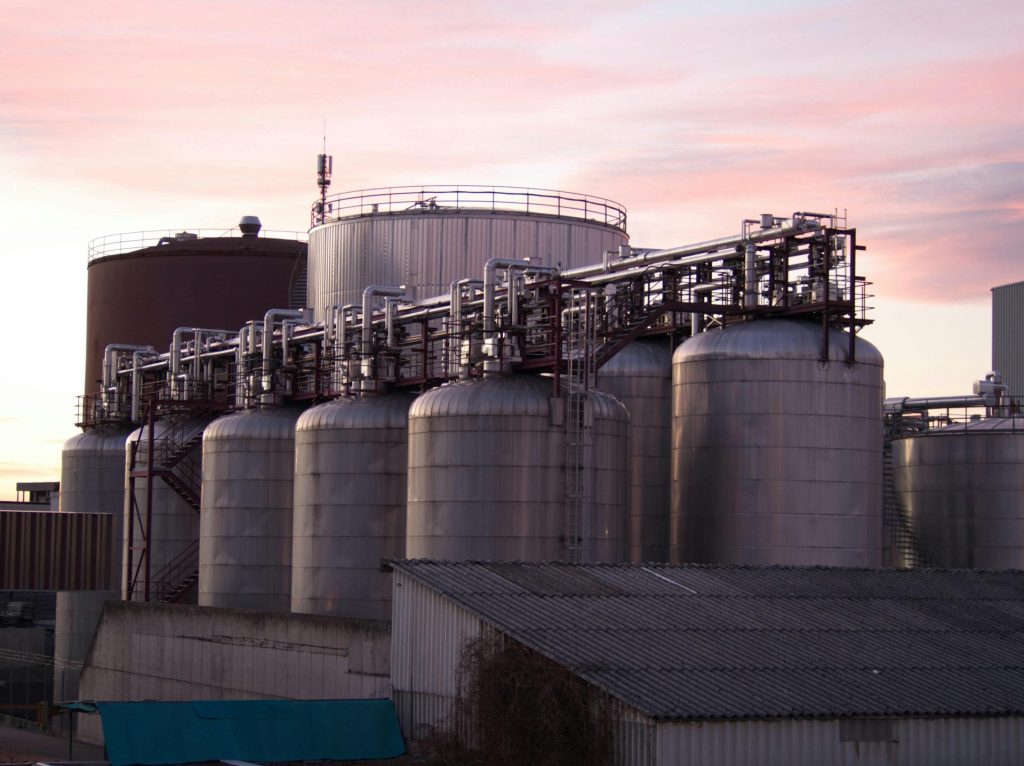
Traditional peaker plants operate only during periods of peak demand but generate significant emissions and incur high operating costs when dispatched. CES liquid air energy storage replaces combustion‑based peak generation with a closed‑loop cryogenic energy storage process that stores and releases electricity without burning fuel.
By repowering existing peaker plants rather than constructing entirely new infrastructure, CES enables utilities to preserve valuable urban grid connections while transitioning to a cleaner, more efficient peak‑power solution.
Advantages for Repowering Peaker Plants
- Safety & Fire Risk Mitigation – Unlike large-scale lithium-ion battery arrays, LAES utilizes non-flammable, non-toxic liquid air, eliminating the risks of thermal runaway, chemical fires, or explosive gas releases.
- Environmental Justice & Health – Replacing aging, high-emission units reduces the disproportionate environmental burden (nitrogen oxides and sulfur dioxide) on disadvantaged or low-income communities
- Enhanced Economic Efficiency – Modern storage solutions eliminate the high operation and maintenance costs of older peaker plants that often run only during short periods of peak demand.
- Policy & Incentive Alignment – Leverages federal and state drivers, such as the Inflation Reduction Act’s tax credits, to accelerate the transition to a decarbonized grid.
- Sustainable Infrastructure Transition – Upgrading existing sites ensures a cleaner and more reliable energy future without the environmental burdens associated with mining and disposing of large-scale lithium-ion battery systems.
Why LAES is a Stronger Alternative to Lithium-Ion Batteries
Read More
- Long Duration Capability-Our industrial-scale technology is built to meet peak demand periods typically lasting 1 to 5 hours per day. It can also be adapted for load-following operation, enabling it to respond to evolving energy needs driven by data center expansion, electrification, industrial growth, and climate change.
- Grid Stability – CES LAES enhances grid stability by using turbine-based technology to deliver critical energy in high-demand load pockets and space-constrained areas. As energy needs grow and the nation seeks more innovative solutions, CES’s unique system can supply power to the grid while simultaneously recharging, ensuring continuous and reliable operation.
- Footprint Compatibility – CES LAES is designed to meet the limited acreage constraints of legacy peaker plants, which are often located in densely populated urban areas, while safely delivering utility-scale power to the grid with no environmental impact on surrounding communities. In contrast, comparable battery energy storage arrays would require significantly more land and pose potential risks, such as thermal runaway.
Maximizing Asset Value: The Revenue Stack
To maximize profitability, modern Independent Power Producers (IPPs) utilize revenue stacking—layering multiple income streams from a single asset to increase returns and mitigate risk. This flexible approach allows operators to dynamically target the most profitable market services in real-time. These Include:
- Wholesale Energy Markets (Arbitrage) – Storing electricity when prices are low and selling during peak demand or low renewable generation to manage market volatility.
- Ancillary Services (Grid Support) – Stabilizing the grid through frequency regulation and reserves, often providing 50–80% of revenue for flexible assets.
- Capacity Payments (Resource Adequacy) – Securing long-term payments to ensure energy availability during periods of critical high demand.
- Long-Term Contracts (PPAs) – Utilizing 10–25 year Power Purchase Agreements to provide stable, fixed-price revenue and reduce merchant risk.
- Other Revenue Streams – Capturing additional value through Renewable Energy Credits (RECs), system integrity schemes, and tolling agreements, this is available
- Energy storage project developers can include Inflation Reduction Act (IRA) tax credits in their revenue stack to significantly lower capital costs and improve project economics. Standalone storage (BESS) projects can qualify for a 30% Investment Tax Credit (ITC) under Section 48, which can be increased to 50% or higher through bonus adders, or monetized via transferability.
By leveraging these five pillars, CES LAES transforms legacy assets into highly efficient, multi-income facilities that remain economically resilient while meeting the demand for clean, reliable peak power.
About Us
Statement of Qualifications
Why CES Liquid Air Energy Storage Stands Apart
85%+ Verified Round-Trip Efficiency
Independently validated simulations confirm more than 85% energy return to the grid, delivering dependable long-duration performance.
Long-Duration, Dispatchable Grid Power
Flexible multi-hour discharge capability supports ISO participation, peak demand management, and grid stabilization.
Carbon-Free, Fuel Cost-Free Operation
Operates without fossil fuels or external heat, reducing operating costs while supporting decarbonization goals.
Register to Learn More
Address
Cryogenic Equipment and Services Energy Storage
1005 Scott Tower Center
Bloomsburg, PA 17815
Contact
Email: pkeech@cesenergystorage.com
© 2026 Cryogenic Equipment and Services Energy Storage | Legal Notice | Privacy Policy